
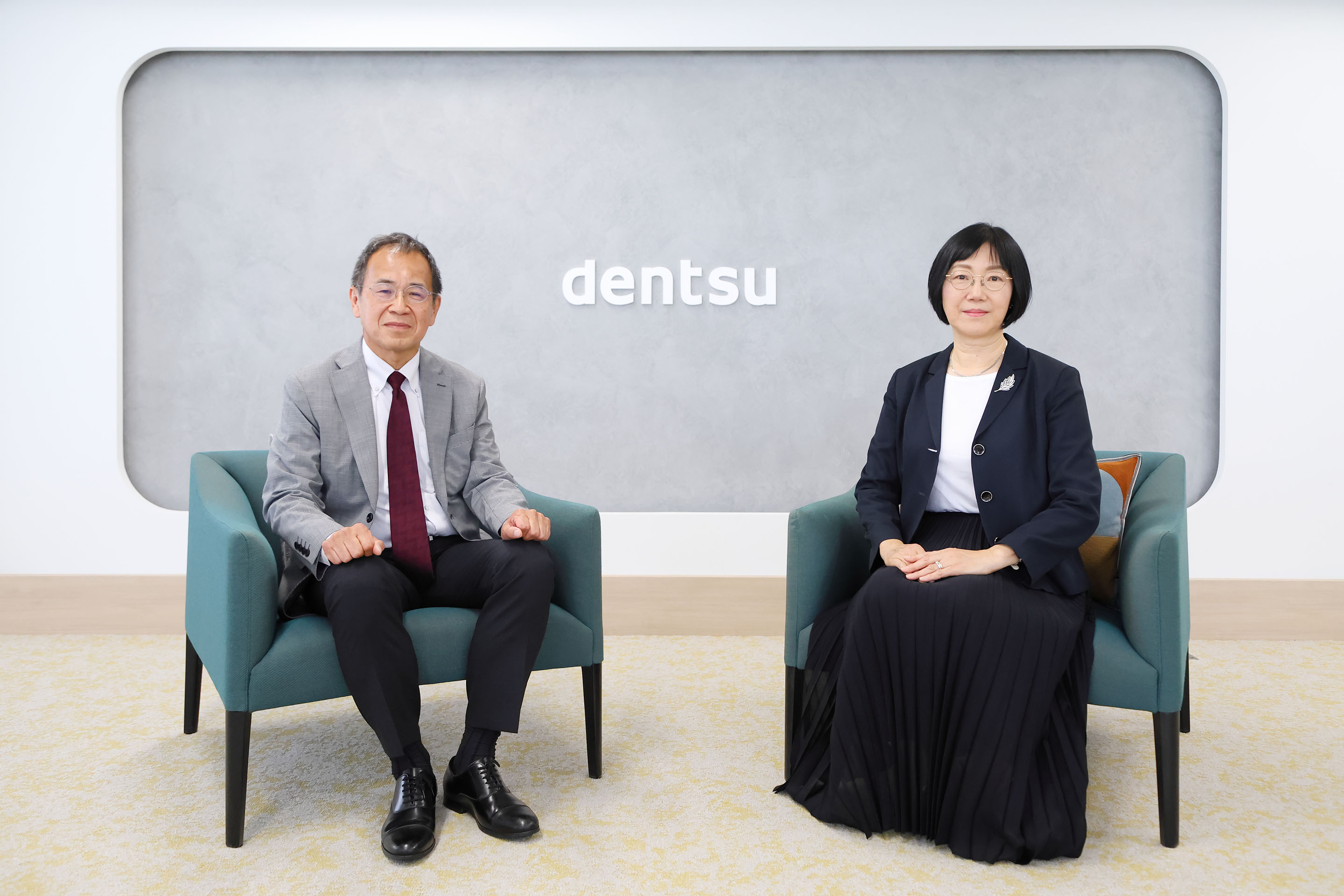
Discussion with Outside Directors
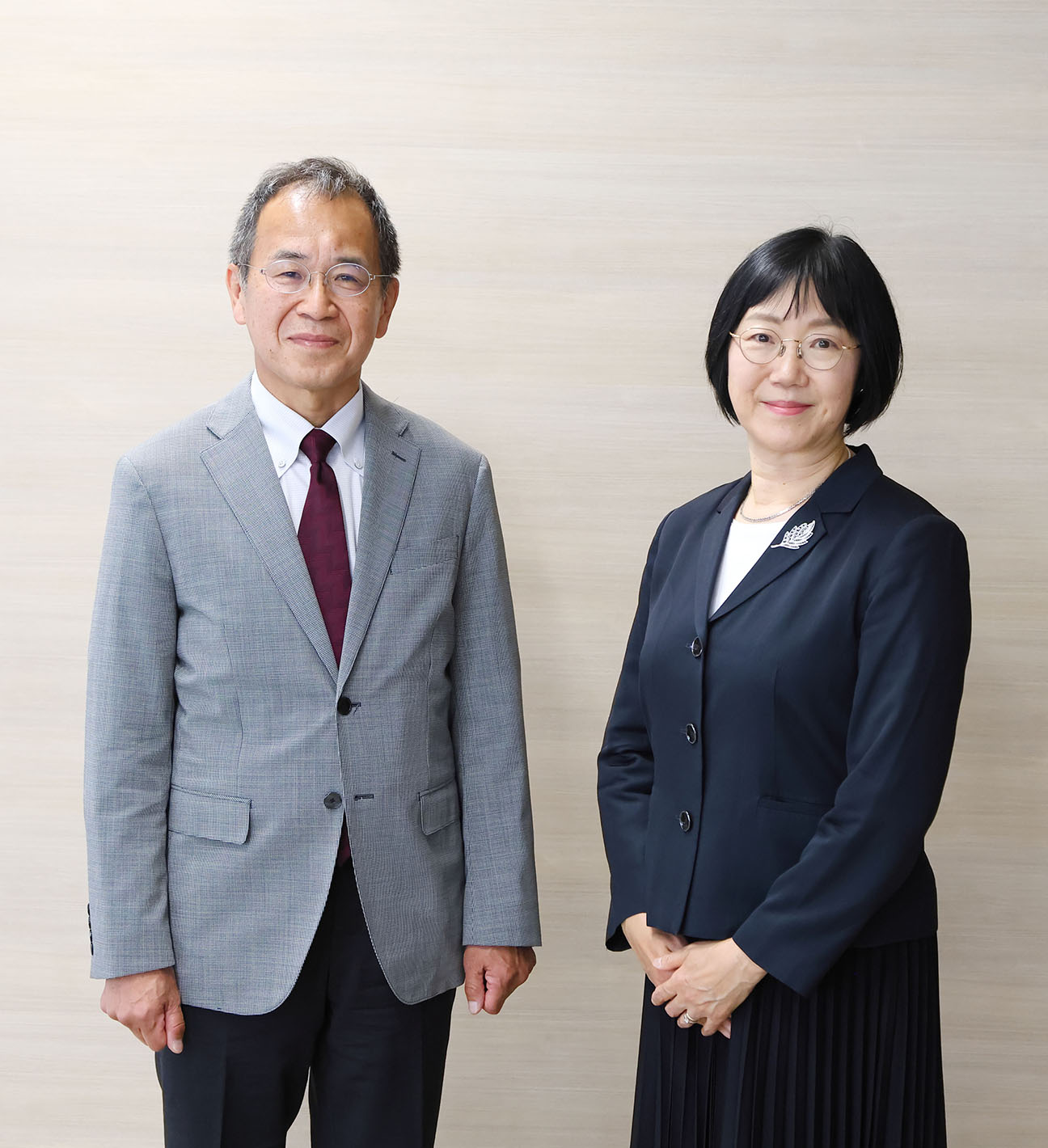
Outside Director
Chairperson of the Nominating Committee
Member of the Audit CommitteeNorimitsu Takashima
Outside Director
Member of the Nominating Committee
Naoko Ichikawa
How Was the Global CEO Selected During an Unprecedented Period of Transformation. Outside Directors Discuss Dentsu Group’s Nomination Governance
In 2026, Dentsu Group transitioned to a new management structure.
As the Company navigates a period of significant transformation, including structural changes driven by AI, increased competition resulting from industry consolidation and new market entrants, recovery of profitability in the international business, and the further strengthening of corporate governance—the Nominating Committee engaged in extensive discussions regarding the selection of Mr. Takeshi Sano as the Company’s new Global CEO.
We spoke with Mr. Norimitsu Takashima, Chairperson of the Nominating Committee, and Ms. Naoko Ichikawa, a member of the Committee, regarding the realities of executive succession, the considerations involved in selecting the Company’s top leadership, and their perspectives on the future of Dentsu Group.
Why they joined Dentsu Group during a period of transformation
Gaps between their prior perceptions and the reality of Dentsu Group
Discussions regarding the selection of Sano as Global CEO were not straightforward
Selection was based not only on track record but also on the person
The significance of adopting a Company with Three Committees structure
Remaining challenges and areas for improvement
Expectations for the future of Dentsu Group
Why they joined Dentsu Group during a period of transformation
— Today, we will discuss the appointment of leaders. First, both of you have been serving as outside directors of Dentsu Group for two years. Could you please share your background and the reasons you accepted this role?
Takashima:I began my career as a public prosecutor, and after serving as Vice-Minister of Justice, I became the Superintendent Prosecutor of the Nagoya High Public Prosecutors Office. I later registered as an attorney and then joined Dentsu Group as an outside director.
Through my experience at the Public Prosecutors Office and the Ministry of Justice, including work on organizational reform and responding to misconduct, I have come to believe that in times of transformation, it is essential for organizations to incorporate external perspectives into governance. Dentsu Group was also in a phase of strengthening governance and transforming its international business. I felt that I could contribute in some small way with my experience and therefore accepted the role.
Ichikawa:Of my more than 40 years career, about 20 years were spent in operating companies, mainly in corporate planning, business transformation, and B2B marketing. The rest of my career has been in strategic consulting, venture investment at a public-private fund, and business turnaround through to exit.
I did not have extensive experience in the advertising and marketing industry, so at first I wondered whether I was truly capable of fulfilling the role. However, as discussions progressed, I began to feel that my experience in global companies, transformation phases, and business restructuring could be useful to Dentsu Group in its current stage. That is what led me to join.
Gaps between their prior perceptions and the reality of Dentsu Group
— Has your impression changed after actually joining?
Takashima:It changed significantly.
What surprised me most was the scale of the international business. I had been aware that dentsu is a strong domestic company, but I did not realize it had such extensive global operations. At the same time, I came to appreciate the difficulty of governing an organization that has expanded through M&A.
The more a company pursues inorganic growth, the more it must strengthen governance in parallel. This is especially true overseas, where language and culture differ. How to control and develop talent in such an environment is extremely important.
Ichikawa:I also experienced two major surprises.
One was how directly the company was confronting industry transformation driven by AI and technology. From the outside, it was not clearly visible how AI was being integrated into marketing, but I could sense that it is being addressed strategically.
The other was governance reform.
From the outside, dentsu still carried an image associated with the old Oni Jussoku (“Ten devil rules”) era. However, in reality, the company has been seriously advancing reforms in compliance, human capital, and governance. In a positive sense, my impression changed significantly.
Discussions regarding the selection of Sano as Global CEO were not straightforward
— The selection of the Global CEO attracted significant attention both inside and outside the company. What were the discussions like?
Takashima:First, I want to emphasize that this was by no means a formal or perfunctory process.
It was not about simply endorsing a candidate chosen by management. Within the Nominating Committee, we seriously debated whether the individual could truly lead the company through an unprecedented transformation period.
Of course, no candidate is perfect in every respect. Therefore, we examined not only individual strengths but also how the overall management structure would function.
Dentsu Group currently needs to address a wide range of issues simultaneously, including improving profitability in international businesses and strengthening governance. In that context, Mr. Sano was highly evaluated for his track record of transforming and growing the Japan business, as well as his leadership in moving organizations forward.
We also examined not only the CEO individually but how the entire executive team would function and complement one another. As a result, we concluded that a structure capable of driving transformation could be built.
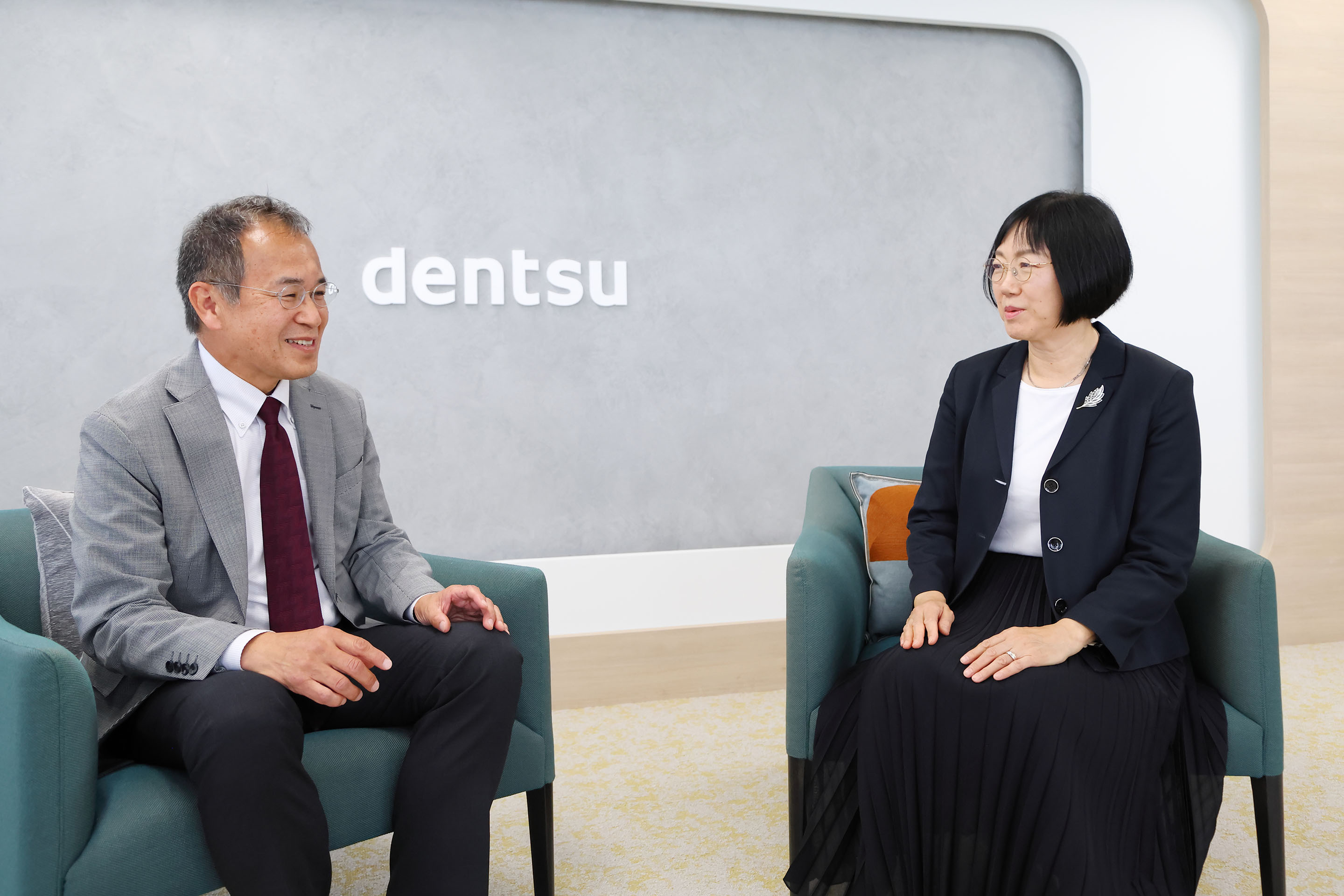
Ichikawa:I was not a member of the Nominating Committee in 2025, but in the final stage, the Board of Directors was briefed on the selection process and discussions. Through that, I could clearly see that substantial time and effort had been devoted within the committee.
Candidate interviews were conducted carefully, and given my global experience, I was particularly attentive to international business discussions. I felt that those aspects were also examined seriously.
Rather than simply comparing candidates, the focus was also on how the company would be managed going forward and what kind of structure would support transformation. After seeing this process, I felt convinced that it was well considered.
Selection was based not only on track record but also on the person
— What criteria did you use when evaluating the CEO candidates?
Takashima:Track records are important, but even more important were character, ethics, and how the individual treats subordinates.
No one can drive transformation alone. A leader must be able to mobilize the organization and inspire people to say, “I want to follow this person.”
From my experience across various organizations, a leader must not be someone who only focuses on short-term results. They must be able to envision what Dentsu Group should look like 10 or 20 years into the future and what contribution it should make to society.
It is also important that they are not self-serving but rather have an altruistic mindset focused on the organization and its people. Integrity, execution capability, and physical stamina are also necessary.
On the other hand, regardless of ability, individuals who damage the organization through harassment or cannot control anger are not suitable. Organizations are ultimately built on people.
In that sense, I felt that Mr. Sano possesses these qualities, particularly the ability to speak about the future and to lead transformation by engaging people.
Ichikawa:I believe successful leaders also need a certain charm.
Of course, ethics, integrity, and execution ability are prerequisites. However, beyond that, it is important that people feel, “I want to support this person” or “I want to work with this person.”
At the same time, CEOs are required to make tough decisions. In a previous global company role, I was strongly impressed by the requirement for a CEO to be responsible for managing the entire business portfolio.
In other words, they must make decisions based on what is best for the company’s long-term strategy, without being constrained by personal history or legacy.
However, such difficult decisions only gain organizational acceptance when there is trust in the person making them. Therefore, it is also important to build a strong executive team, not just focus on the CEO alone.
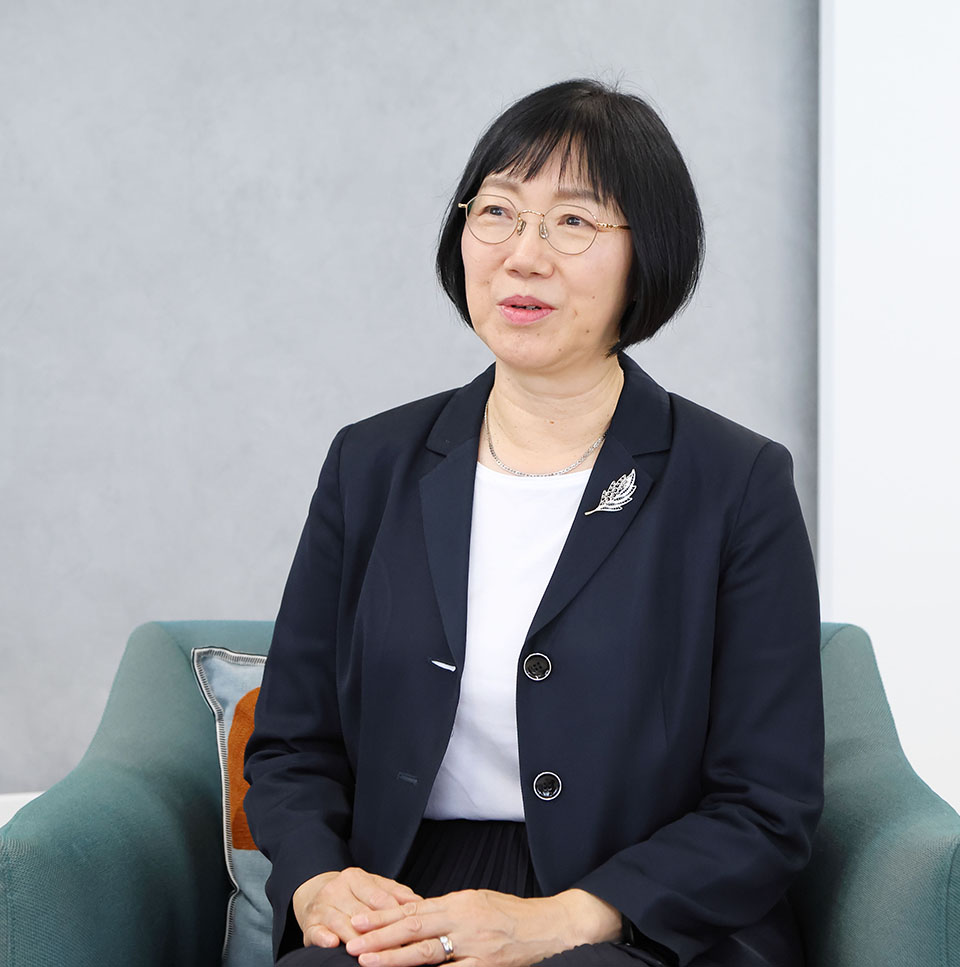
The significance of adopting a Company with Three Committees structure
— Dentsu Group is a company with a nominating committee structure, where outside directors form the majority. How does this affect decision-making?
Takashima:It has a very significant impact.
The Nominating Committee under this system has extremely strong authority under company law. It can independently decide director candidates to be submitted to the general meeting of shareholders. This responsibility is very different from advisory committees.
Because outside directors are not part of the internal organization, they cannot know everything. Therefore, management must clearly explain why a candidate or decision is appropriate.
In companies where outside directors form the majority, there is always a “can this be explained externally?” perspective. This creates a strong governance check.
Outside directors are responsible for verifying whether explanations are valid and whether there are hidden issues or biases. This external perspective is crucial.
Dentsu Group’s outside directors come from diverse backgrounds, so superficial explanations do not pass. Discussions are very candid. Governance is functioning more strongly than one might expect.
Ichikawa:The role of outside directors is to bring in perspectives from external stakeholders such as shareholders, investors, markets, and society.
The Nominating Committee in such a system carries significant weight, as it has direct responsibility to shareholders and society.
Outside directors are not simply “people who oppose things.” Organizations tend to be influenced by past successes and existing thinking. By introducing external perspectives, decision quality and speed can improve.
Dentsu Group’s board includes many directors with diverse experience, and I learn a great deal from discussions. This diversity enhances governance effectiveness by itself.
Remaining challenges and areas for improvement
— What do you see as the key challenges the Dentsu Group will need to address going forward?
Ichikawa:The key issue is human capital diversity and depth.
In particular, developing talent capable of global business operations and transformation is a major challenge. While the company has strong existing talent, there is still a shortage of people with overseas management experience and diverse backgrounds.
In addition, as AI transforms the industry structure, the skill sets required at the board and executive level will also change. We must continuously discuss what kind of board composition and management team will be needed in the future.
Takashima:Outside directors also have limitations. As mentioned earlier, we cannot fully understand internal talent and organizational dynamics. Therefore, we must remain humble.
However, we also have an important role in addressing issues that are difficult to see internally or hard to change due to internal constraints.
Organizations are influenced by history and relationships, which is why it is important to incorporate external perspectives when determining what is best for the company’s future.
Governance, in that sense, supports future decision-making from an objective standpoint, including outside directors.
Expectations for the future of Dentsu Group
— Finally, what are your expectations for the Dentsu Group going forward?
Takashima:Dentsu Group plays a very important role in society. I hope it continues to contribute not only in Japan but also globally.
It should conduct business with integrity, earn trust, and contribute to society over the long term.
I hope the Global CEO leads the company with both a long-term perspective and respect for people.
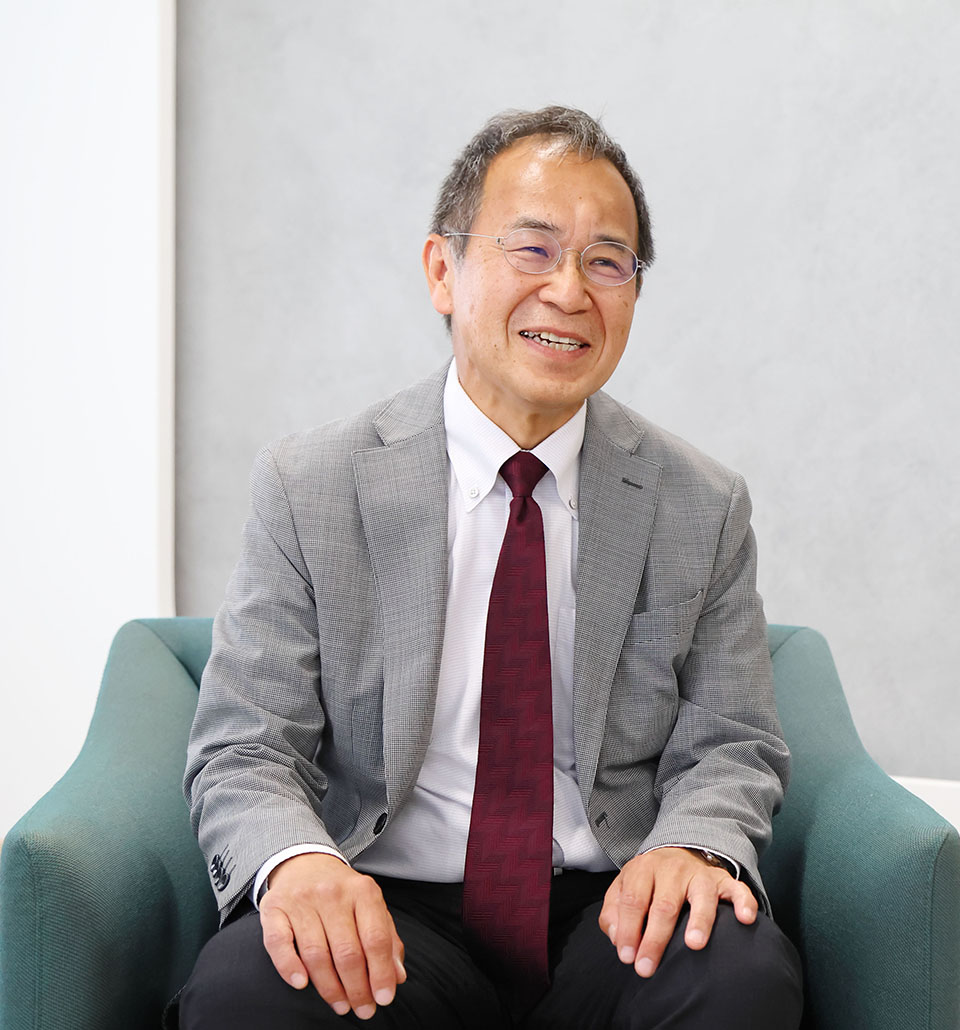
Ichikawa:Transformation is still ongoing.
Dentsu Group is part of society’s infrastructure and operates in a rapidly changing environment. As the leading company in Japan’s industry, it has a mission to continue playing that role.
In the AI era, human-only value becomes even more important. We must create a society with hope for the future. I hope dentsu stands at the center of global societal evolution.
June, 2026